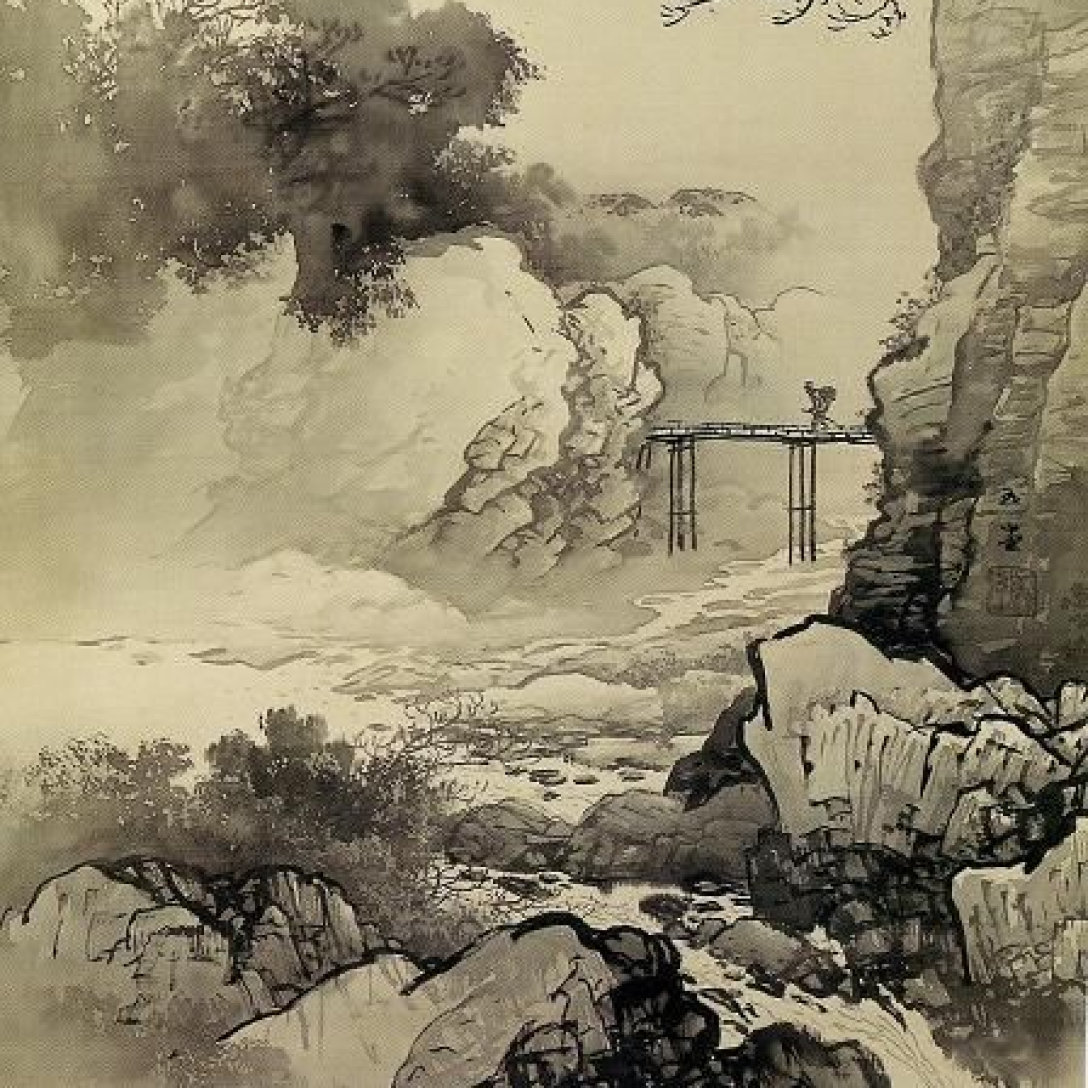

I’ve long been moved by the aesthetic of the zen “dry” garden, an artwork composed of natural plantings, rocks, sand, and the concepts of ideal forms, such as the perfect circle, above. This is Kennin-ji monastery in Kyoto. It is just part of one of several zen gardens at Kennin-ji.
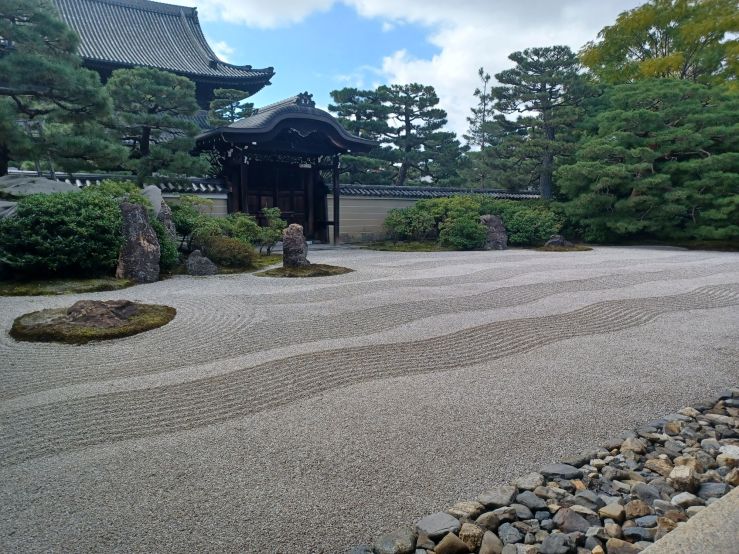
They are “zen” in the sense that, for the most part, they are found at zen monasteries throughout Japan. They create a setting conducive to meditation although they are in no way necessary to that practice. In fact, in the sitting practice of zazen, facing a wall is more conducive to the meditative practice than would be facing into a lovely garden. Can beauty itself be a distraction?
I have seen two of the so-called “most beautiful gardens” in Japan, notably, Ritsurin in Takamatsu, and Kenroku-en in Kanazawa. I enjoyed the beauty of these gardens. No doubt. Yet, the dry zen gardens capture my interest, though much smaller, so much the more peaceful and personally engaging.
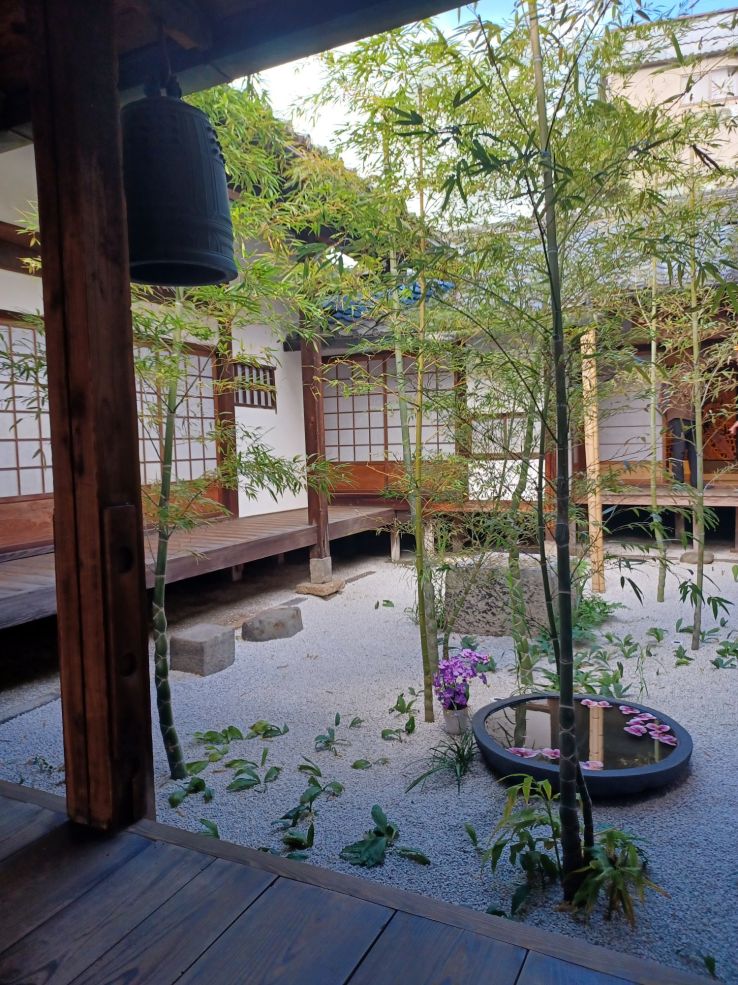
Nature herself can create beauty on a grand scale without the sculpting hand of human persons. Those hands can be better employed on a very much smaller scale. This is the scale of the home, the backyard, the flower bed, the parking strip.
Still, the beholder carries within her or himself an ideal of “the beautiful.” For some, the zen “dry” garden may appear to be just that – dry, sterile, or barren. For me, it is lovely, timeless, and on a very human scale. The Grand Canyon I could never create or imagine. Such a garden as this I can imagine putting together in my yard.
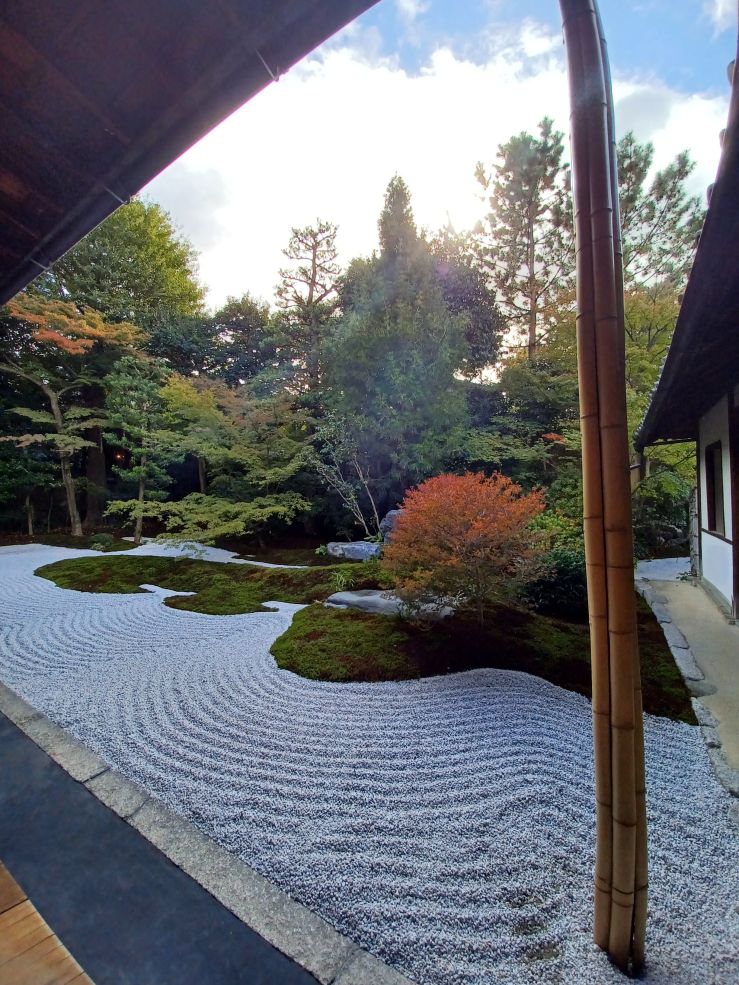
 Autumn In Japan